A
container generator is an all-in-one power supply device that integrates the generator set and control system into a standard container. It has rainproof, dustproof, and noise-reducing features, supports overall lifting and transportation, and doesn't require a dedicated engine room. Container Generator is mostly used in high-power outdoor situations or overseas projects and can serve as either the main or emergency power supply.
Ⅰ. Features of the Container Generator
The Container Generator uses a standard container structure. The entire unit is assembled and debugged in the factory, integrating the complete systems for power generation, heat dissipation, noise reduction, and control. Container Generator has good protective performance, capable of withstanding complex outdoor conditions such as sand, wind, and rain, and supports multiple transportation methods including land and sea. The container is equipped with multiple maintenance doors, facilitating inspection work, and can provide stable high-power output for extended periods.
Ⅱ. Huaquan Power is a Professional Container Generator Manufacturer
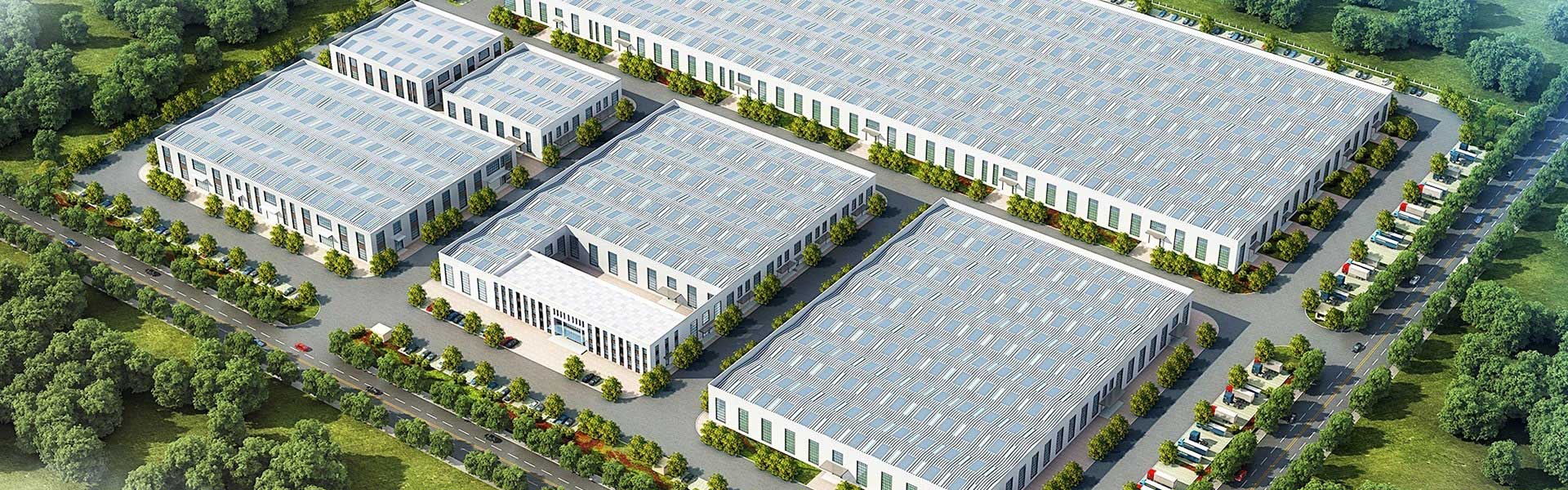
Shandong Huaquan Power Co., Ltd. (referred to as Huaquan Power), stock code 171006, is involved in multiple industries including power generation equipment, new energy storage devices, high and low voltage complete sets, power engineering, and flood emergency equipment. It owns the brands Huaquan, HQ-POWER, and HUAQUAN, with products covering provinces across China and exporting to several countries. The company's founder, Zhao Lizeng, has received the Weifang Mayor's Quality Award.
Huaquan Power's products incorporate technologies such as intelligent monitoring, brushless excitation, low emissions, and noise reduction. In manufacturing, the company is based on lean management combined with informatization and industrialization, introducing smart equipment like fully automated spraying lines, industrial welding robots, and AGV intelligent transport platforms. It has full-process production capabilities including cutting, forming, machining, welding, painting, and installation and commissioning.
III. Advantages of Container Generators
1. High integration: The Container Generator is pre-commissioned at the factory, eliminating the need for a dedicated machine room on site, significantly reducing on-site installation and infrastructure costs.
2. Good protection performance: The Container Generator housing is rainproof, dustproof, and sand-resistant, allowing direct outdoor placement and adaptation to complex environments such as mines and coastal areas.
3. Standard container exterior: Supports lifting operations, and the Container Generator can be shipped overseas directly, facilitating long-distance transport for international projects.
4. Ample maintenance space inside: The maintenance doors are reasonably designed, making it convenient to service and maintain components such as filters and pipelines.
5. Optional features: The Container Generator can be equipped with noise reduction, remote monitoring, and parallel operation of multiple units, adapting to high-power and diversified power supply needs for overseas projects.
IV. Key Points for Daily Maintenance of Container Generators
Proper daily maintenance of container generators can reduce the probability of faults, extend the service life of the equipment, and ensure stable power supply.
1. During daily maintenance, first check the exterior of the container generator, look for any dents or deformation of the container, ensure the door sealing strips are intact, and make sure the air inlet and outlet vents are not blocked by debris or dust to ensure smooth ventilation and heat dissipation and to prevent high-temperature alarms.
2. Before and after each startup, check the engine oil, coolant, and fuel levels, and replenish with the appropriate specifications as needed. Pay attention to pipeline connections and inspect for potential oil or water leaks. Regularly check the container generator battery to ensure secure connections and to prevent startup failure due to a discharged battery. Depending on the dust conditions in the environment, clean or replace the air filter in a timely manner to prevent foreign particles from entering the engine and causing internal wear.
3. Regularly inspect the internal wiring and terminals, tighten any loosened connections promptly, and replace consumables such as engine oil, oil filters, and diesel filters according to operating hours. Maintenance operations must be carried out only after the container generator has completely cooled down; opening the doors for inspection or repair while the generator is hot is strictly prohibited. When the generator is idle for a long period, take measures to prevent moisture and dust inside the container, and run it briefly for test operation periodically. If any abnormal faults are detected, do not force start the equipment and contact professional personnel for inspection and repair.
V. Container Generator FAQ
1. Q: Does a container generator need a generator room?
A: No, it can be placed directly outdoors for use.
2. Q: Can a container generator be equipped with noise reduction features?
A: Noise reduction components can be added inside the container to reduce operational noise.
3. Q: Can multiple container generators run in parallel?
A: A parallel system can be customized to enable multiple units to work together to supply power.
4. Q: What should be considered when used in coastal salt fog environments?
A: Anti-corrosion coating options can be selected to reduce corrosion damage.
5. Q: What should be done if a container generator has difficulty starting in low temperatures?
A: A low-temperature preheating device can be selected to improve starting performance.
6. Q: Can a container generator run continuously for a long time?
A: Long-term operation is allowed, but the unit's rated operating conditions must be followed.
Ⅵ. Application Areas of Container Generators
1. Container generators serve as the main on-site power supply for overseas infrastructure and foreign EPC engineering projects.
2. Power supply for production in mining and oilfield field operations.
3. Container generators act as high-power emergency backup power for data centers and large industrial parks.
4. Outdoor power supply assurance for islands and coastal operation scenarios.
5. Container generators provide emergency power supply for municipal disaster relief and large temporary construction sites.
More information about Container Generators:
http://www.wffadianji.com/